


Optimal Greening Foundation - A2E Fund

Access to energy
In the Fagba community, the community water supply system is no longer operational. Currently, 79% of households consume untreated water, and 49% of residents regularly have to buy water, leaving them dependent on private vendors and exposed to high costs.
For 45% of households, electricity supply does not exceed six hours per day. Grid instability limits the operation of water pumping systems and reduces water availability, leading many families to rely on untreated water or private vendors. This increases health risks and household costs, particularly for families with young children. As water collection is mostly carried out by women, they also bear a significant share of the time and effort associated with this task.
Country: Nigeria
Region: Fagba Community, Ifako-Ijaiye, Lagos
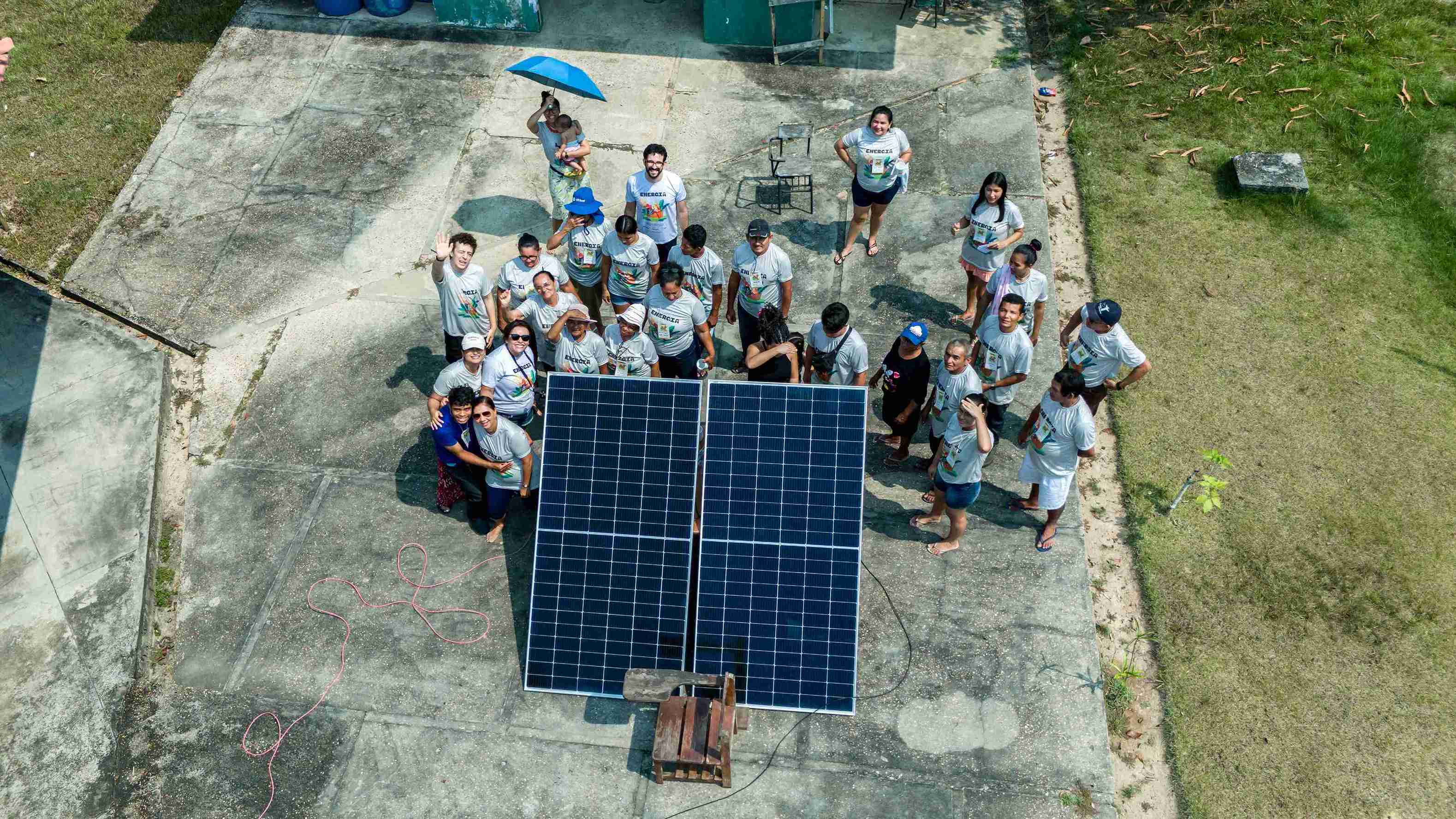
The project will install Fagba’s first community water supply system, 100% powered by solar energy and independent of the national electricity grid. The solution will integrate a borehole, a water treatment unit, energy storage, and a distribution network with a community water point.
With the capacity to produce more than 30,000 liters of drinking water per day, the system will deliver treated water to the community’s main residential areas. The proximity of the distribution point will reduce the time and distance required to collect water, improving access for women, older residents, people with disabilities, and families with young children.
The system will be managed by community structures trained to operate, maintain, and administer it. A tariff below the prices currently charged by private vendors will help cover maintenance costs and ensure the long-term sustainability of the infrastructure
Expected results
- A solar-powered borehole and water treatment system will provide daily access to drinking water, reducing dependence on the electricity grid and diesel.
- 2 automated water points and a distribution network will provide safer and closer access to water for 15,000 daily users.
- Improved hygiene practices, reduced exposure to waterborne diseases, and lower associated household costs.
- 12 new jobs will support the operation and maintenance of the system.
- Community management structures, with at least 30% female representation, will support inclusive management.
- More than 60 people trained will strengthen local ownership and the long-term sustainability of the system.


Direct Beneficiaries
Indirect Beneficiaries
Installed Capacity
A2E Fund – Program
This is one of the projects supported by the A2E Fund. Learn more about this program here.


