


Liliane Fonds - A2E Fund

Access to energy
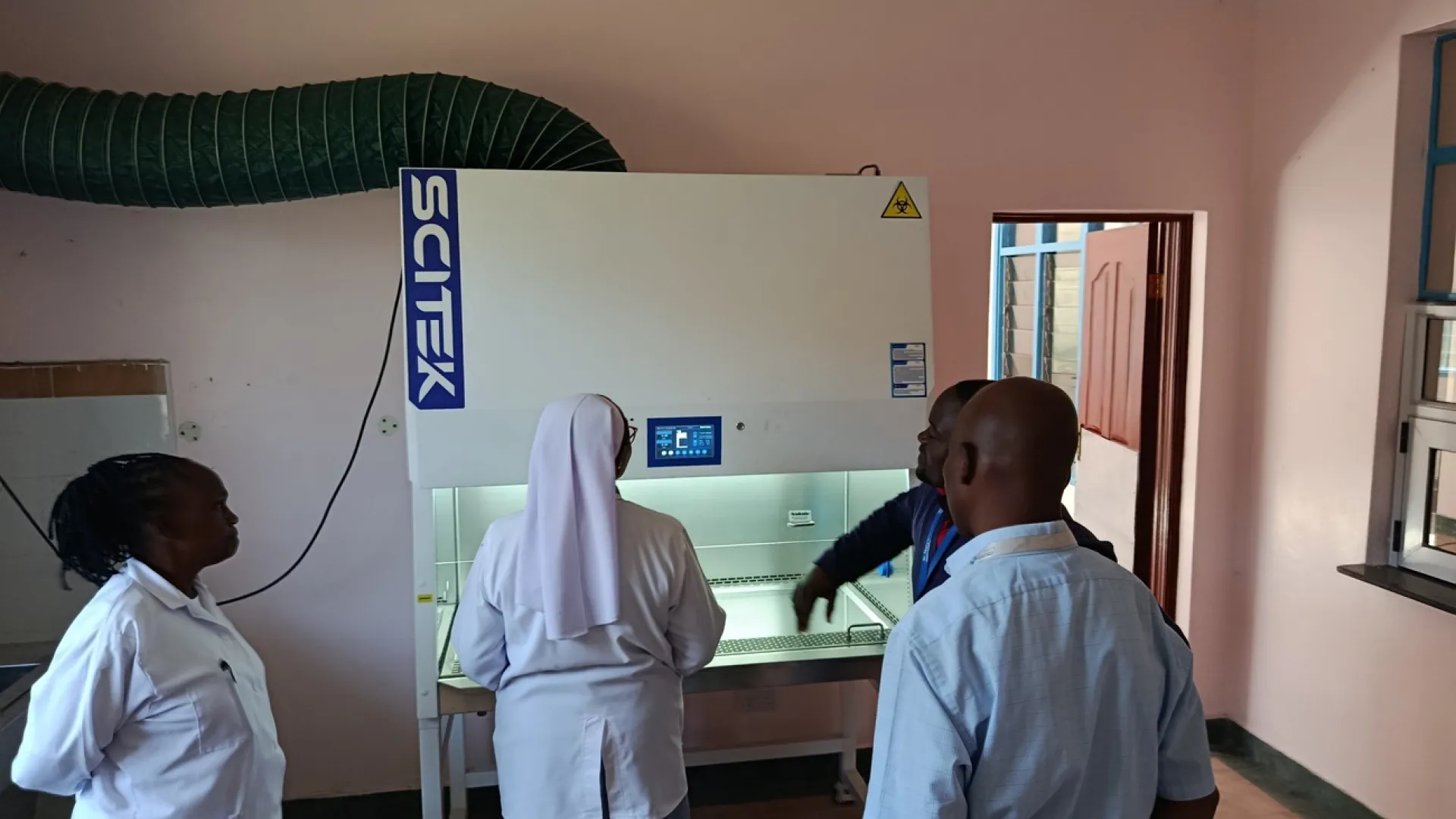
Every year, around 17,000 patients depend on St. Mary’s Mission Hospital for emergency care, surgery, maternal and neonatal healthcare, paediatrics, rehabilitation and diagnostic services. Yet frequent power cuts, sometimes reaching 20 hours per week, can interrupt essential medical services and affect the operation of critical equipment, laboratories, water supply, and the safe storage of vaccines and medicines.
The hospital currently relies on a diesel generator, an expensive and polluting solution that diverts resources from healthcare and particularly affects children, pregnant women and people with disabilities.
Country: Kenya
Region: Elementaita, Nakuru County
The project, developed in partnership with Liliane Fonds, St. Mary’s Mission Hospital, Cheshire Disability Services Kenya, BBM and MIVA, will install a 58 kWp hybrid solar energy system with battery storage, integrated with the electricity grid and the hospital’s existing generator. In the first phase, energy will be directed to the most critical services, which includes emergency care, the operating room, maternity, neonatal care, laboratory diagnostics, vaccine and medicine storage, water supply, and lighting.
The solution will keep essential equipment operating during power outages, reducing reliance on electricity from the grid and diesel, energy costs, and environmental impact. The modular system can accommodate the hospital’s planned expansion of essential services, including dialysis, intensive and high-dependency care, and oncology.
Energy performance will be monitored, and hospital staff and organizations within the partner network will receive training in the operation, monitoring, and preventive maintenance of the system. Savings on electricity and diesel will be reinvested in future system maintenance, equipment replacement, and improved healthcare services, contributing to the long-term sustainability of the investment.
Resultados Esperados:
- A hybrid solar system connected to essential healthcare services will provide greater continuity and safety in the care delivered to around 17,000 patients each year.
- More reliable energy for critical medical equipment, diagnostics, water supply, and refrigerated storage of vaccines and medicines.
- 23 people trained in system operation, monitoring, and preventive maintenance.
- Reduced reliance on grid electricity and diesel, lowering energy costs and environmental impact.
- Energy savings reinvested in system maintenance and improved healthcare services.
- A modular energy system that will support the future expansion of hospital services.


Power Installed
Direct Beneficiaries
Indirect Beneficiaries
A2E Fund - Program
This is one of the projects supported by the A2E Fund. Learn more about this program here.


