


The Leprosy Mission Nigeria - A2E Fund

Access to energy
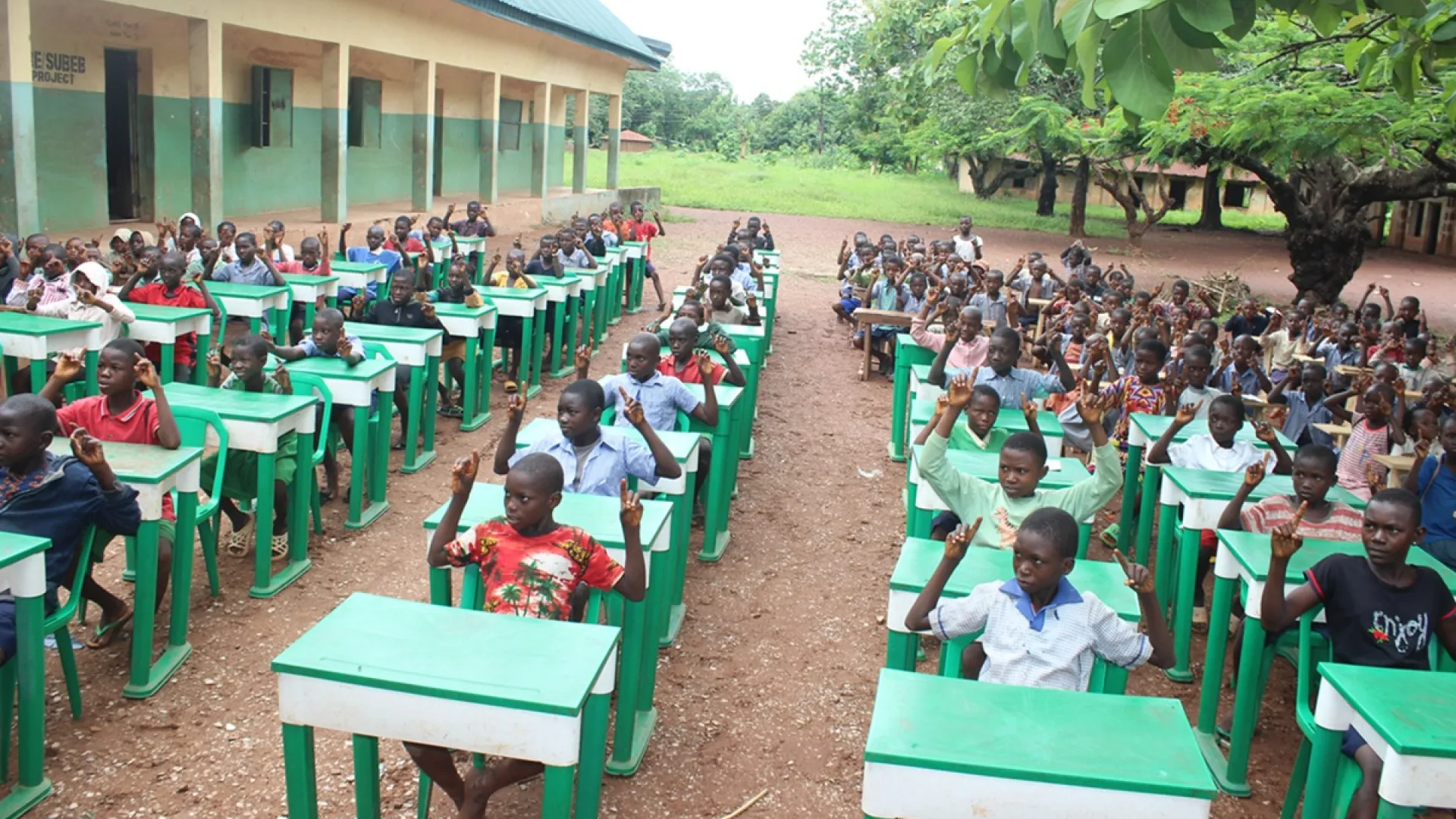
Six facilities provide healthcare, physiotherapy, diagnostics, education, and vocational skills development to children and young people with disabilities and people affected by leprosy and other neglected tropical skin diseases, reaching 4,750 direct beneficiaries.
Most receive fewer than eight hours of grid electricity per week, requiring frequent generator use. Together, the facilities consume at least 75 litres of diesel per day, diverting resources that could be invested in medicines, therapeutic materials and educational support.
When energy is unavailable, physiotherapy sessions are interrupted, diagnostic equipment stops working and medicine storage is compromised. These failures can delay treatment, diagnosis and learning processes that are essential to the development of children and young people.
Country: Nigeria
Regions: Federal Capital Territory, Benue, Oyo and Akwa Ibom
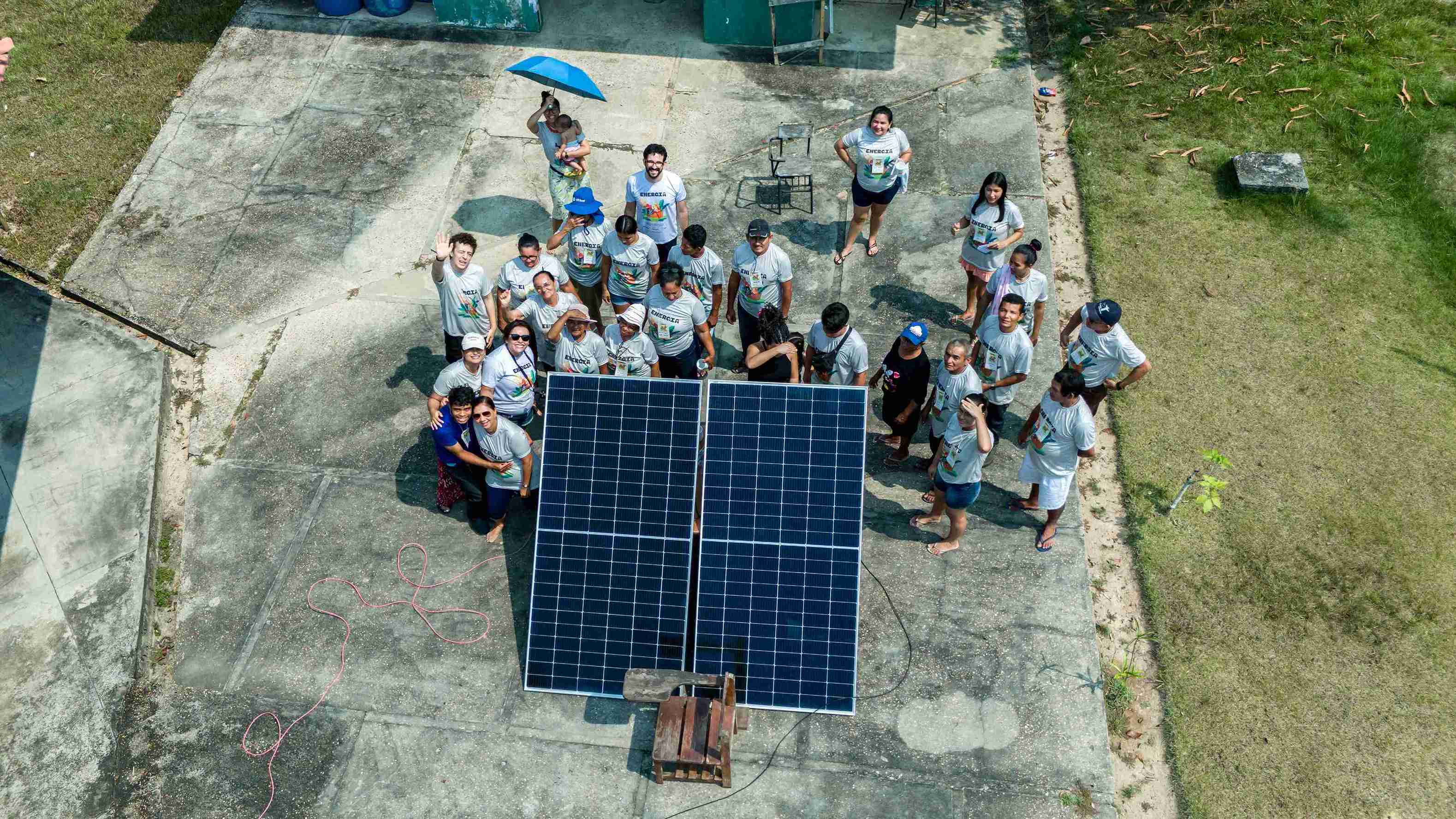
The project will install solar photovoltaic systems with batteries at six facilities: three schools and education centres, one vocational skills and rehabilitation centre, one hospital, and one diagnostic laboratory.
The systems will be adapted to the needs of each site and will power physiotherapy and diagnostic equipment, medicine storage systems and educational resources. Remote monitoring will make it possible to track the performance of the installations and support preventive maintenance.
Up to 25 staff members will receive training in operation and basic maintenance. Each institution will also create a maintenance fund financed by the savings generated through reduced diesel use.
With more reliable energy, the six facilities will be able to reduce service disruptions, accelerate the diagnosis of leprosy and other skin diseases, and provide care and education more consistently. Lower energy costs will also allow more resources to be directed towards medicines, therapies and support for beneficiaries.
Results expected:
- Solar systems installed at six institutions will ensure greater continuity of healthcare, rehabilitation, diagnostic and inclusive education services.
- Reliable energy for clinical and educational equipment will reduce disruptions to treatment, lessons and medicine storage.
- Training for 25 staff members will strengthen system operation and maintenance.
- Maintenance funds at each institution will contribute to infrastructure sustainability.
- An estimated 80% reduction in diesel use will free up resources for service delivery.
- Around 4,750 direct beneficiaries, including children and young people with disabilities, people affected by leprosy and other patients, and facility staff, will have more regular access to care, rehabilitation, and education.


Power Installed
Direct Beneficiaries
Indirect Beneficiaries
A2E Fund - Program
This is one of the projects supported by the A2E Fund. Learn more about this program here.


