


Don Bosco Development Initiative - A2E Fund

Access to energy
St. Jude’s Science and Technical College serves 1,354 students, including 610 boarding students from vulnerable and displaced communities, and has 84 educators.
The school receives electricity for only three to five hours per day, and not always every day. This instability limits classes, the operation of ICT laboratories and workshops, evening study, and safety across the school. Poor connectivity and outdated equipment also hinder access to digital content and widen the technology skills gap among students and teachers.
Country: Nigeria
Region: Tse-Mker, Benue State
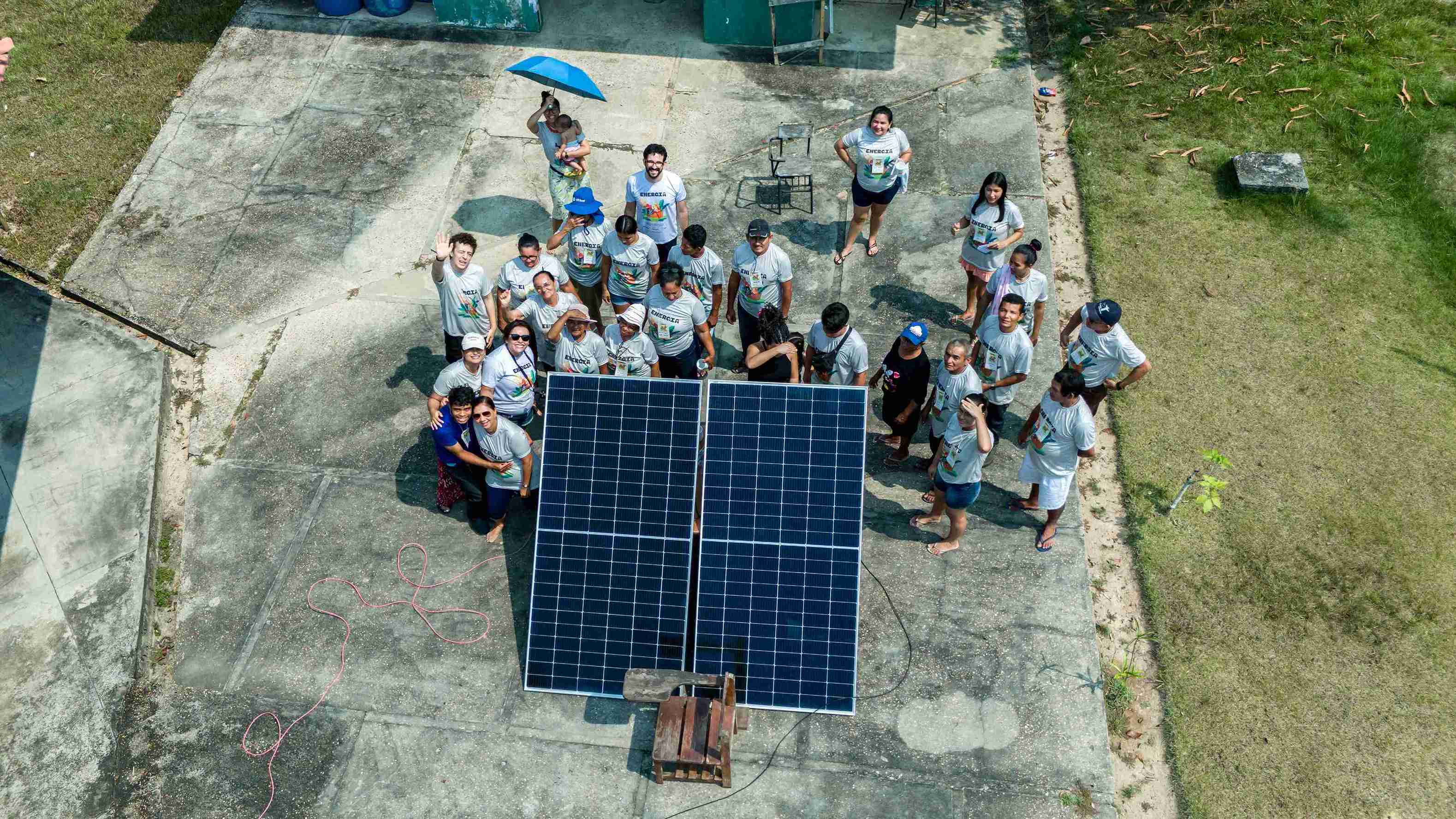
The project will install a hybrid solar system with batteries to provide reliable energy to classrooms, ICT laboratories, the library, workshops, boarding facilities, and the rest of the campus. Replacing conventional lighting with LED lamps and installing outdoor solar lighting will reduce energy consumption and improve safety.
The school will also be equipped with high-speed internet and 48 digital learning devices, including interactive boards, laptops, smart TVs and projectors. These resources will enable online content to be integrated into lessons and support students in developing digital skills.
Educators will receive training in the use of digital tools and technology-supported teaching practices. At the same time, electrical students will take part in practical renewable energy activities, strengthening skills relevant to their future employability.
The school will also implement Guidelines for the Use of Digital and Green Technologies, as well as sustainable policies for managing energy and digital resources, promoting energy efficiency, the long-term sustainability of the equipment and stronger institutional governance..
Expected results:
- A campus-wide hybrid solar system will improve the continuity of classes, evening study and school services.
- LED lighting and outdoor solar lighting will reduce energy consumption and increase safety in boarding facilities and communal areas.
- High-speed internet and 48 digital devices will improve access to digital education for 1,354 students and 84 educators.
- Teacher training will strengthen the integration of digital tools into teaching practices.
- Practical activities involving 146 electrical students will develop renewable energy and employability skills.
- Reduced use of the grid and generators will lower energy costs and free up resources for educational activities. .
Power Installed
Direct Beneficiaries
Indirect Beneficiaries
A2E Fund – Program
This is one of the projects supported by the A2E Fund. Learn more about this program here.


