Adaptation to climate change
Adaptation is not optional
The reality of climate change is clear - global temperatures climb higher, extreme weather events challenge infrastructure, and new risks redefine the energy sector. Along with mitigation, climate adaptation is key to safeguarding business continuity and ensuring the resilience of our operations, therefore supporting the energy transition.
At EDP, adaptation is not optional; it is fundamental to our business, to our people and to the communities we impact.
Adaptation is embedded in our strategy
Strengthening our ability to anticipate risks, protect assets, and deliver a safe and reliable service to customers.

Diversifying technologies and geographies

Enhancing energy flexibility

Promoting hybridisation

Developing grids automation

Partnering to improve climate modelling

Invest in climate-resilient infrastructures

Adequate teams and processes

Improve energy management

Promote collaboration among stakeholders
We are committed to continuously assessing climate risks and ensuring that our most exposed infrastructures are safeguarded through comprehensive climate adaptation plans. To support these plans, our Adaptation Building Blocks define the key areas we work on, supported by a time-response approach that guides how we act before, during and after climate‑related events.
By 2028, all infrastructure exposed to material climate risk will be covered by Climate Adaptation Plans - a key step in maintaining operational resilience, minimising disruptions, and ensuring long-term sustainability in an increasingly volatile climate.
Adaptation Building Blocks
Redesign workflows and processes to address short-term extremes.
Redesign components, assets or projects to guarantee operational continuity and use Nature features to address adverse effects.
Innovate through digital solutions to improve operational resilience.
Partner to improve climate forecasts and develop new solutions to enhance resilience.
Advocate and collaborate to foster and internalise new adaptation solutions.
Time‑Response Approach
All of this ensures a strong and focused governance model, ready at all times to implement climate risk assessment and address climate change impacts.
Together, the Adaptation Building Blocks and the Time‑Response Approach help us integrate climate risks into daily decision‑making - from how we design and operate our assets to how we plan investments, work with partners and protect the communities that rely on our energy.
Key adaptation opportunities
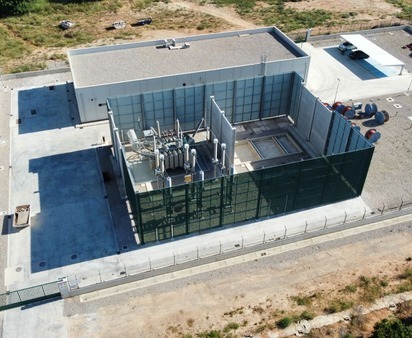

Flood-resilient infrastructures
The Aldaia substation in Valencia remained operational during severe flooding, thanks to climate risk-informed design.
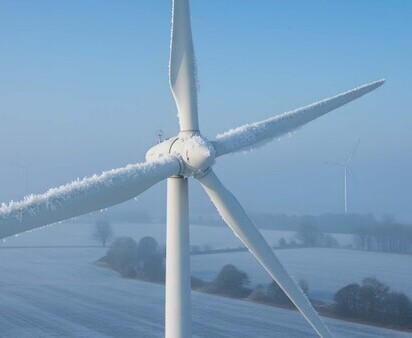
Extreme temperature management
Upgrades to wind turbines and thermal management systems reduce shutdowns and improve reliability.
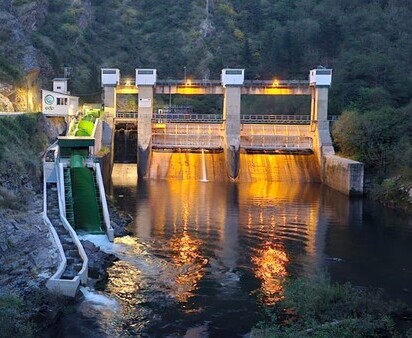
Water scarcity solutions
Hydroscrews and turbine upgrades increase generation efficiency even in dry seasons.
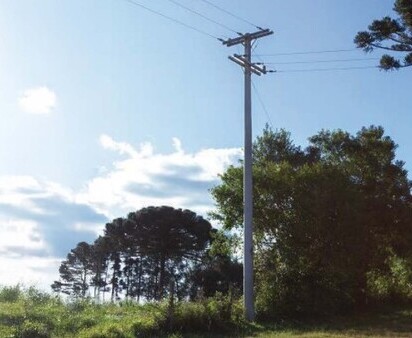
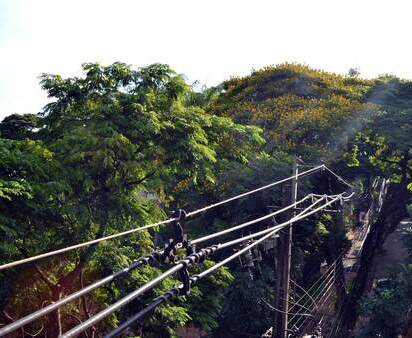
Material upgrades
Fibreglass poles and polymeric crossarms in Brazil’s distribution networks enhance durability and reduce maintenance.
Nature-based solutions
Partnerships with ForestWise and reforestation projects in Portugal and Spain reduce wildfire and landslide risks.
Digitalisation and AI
Tools like the Water Board platform and Protheus decision support system use AI and advanced analytics to optimise weather forecasts, planning and resilience.
We value international agreements and initiatives
EDP's commitment to the world is to achieve cleaner and greener energy. In addition to decarbonisation, we are implementing measures to fight climate change, following the recommendations from the report by the Task Force on Climate-related Financial Disclosures (TCFD) and adhering to numerous international initiatives that promote sustainability.