


EDP turns energy into opportunity with nine new projects in Africa and Brazil
In a week when energy and the future of the energy transition are at the heart of discussions at COP31 in Antalya, Türkiye, EDP is unveiling the nine projects selected for the eighth edition of its A2E Fund. With more than €1 million in total funding, these initiatives will harness renewable energy to improve access to healthcare, education and water, while also creating new economic opportunities for communities in Nigeria, Kenya, Malawi, Mozambique and Brazil. Together, the projects are expected to benefit more than 550,000 people, directly and indirectly.
Selected from 239 applications, the projects demonstrate how access to electricity can deliver an impact far beyond the energy sector, from keeping hospitals and schools running and ensuring access to safe drinking water to supporting agriculture, reducing dependence on diesel and creating new sources of income.
Since its launch in 2018, the A2E Fund has supported 65 projects across eight countries, with total investment of around €6.5 million, benefiting more than 970,000 people directly and over 9.4 million indirectly. Across its eight editions, the programme has brought clean energy solutions to vulnerable communities, helping to tackle energy poverty and advance a fairer and more inclusive transition.
The announcement of these nine new projects comes as EDP once again takes part in the UN Climate Change Conference, continuing its engagement in the world’s leading platforms for climate debate and action. At COP31, the company will contribute to discussions on accelerating the energy transition, highlighting the role of electrification in decarbonisation, energy security and competitiveness.
“Electrification has real meaning when it translates into better living conditions and new opportunities for people. As COP31 discusses how to accelerate electrification globally, projects like these show what that ambition can mean in people’s everyday lives: energy that enables healthcare, access to safe drinking water, better education and new opportunities to earn an income,” says Vera Pinto Pereira, Executive Board Member at EDP and Chair of the EDP Foundation. “Clean energy is not only essential to decarbonising economies. It is a powerful driver of development, resilience and inclusion, capable of transforming communities and creating opportunities where they are needed most.”
Electrification is also one of the priorities of the COP31 Turkish Presidency’s Action Agenda, which is promoting the voluntary 35-by-35 ambition, endorsed by EDP: increasing electricity’s share of global final energy consumption to 35% by 2035. At COP31, EDP will advocate for a faster energy transition, sharing its experience across the entire electricity system and examples of how growing demand can be met through more renewables, grids, storage and flexibility.
Nine projects, different ways to create impact
The new projects selected by the A2E Fund give tangible expression to this global ambition, demonstrating how electrification and access to renewable energy can contribute to a fairer and more inclusive transition, while strengthening resilience and creating opportunities within communities.
The nine selected projects span healthcare, education, water and economic and community development, using renewable energy solutions tailored to the needs of each community.
In Nigeria, where three projects have been selected, the Optimal Greening Foundation will develop a community solar-powered system to provide safe drinking water to the Fagba community, including a new borehole, water treatment, energy storage and two automated water kiosks. The other two projects involve solar systems for healthcare, education, training and rehabilitation facilities supported by The Leprosy Mission Nigeria; and solar power, connectivity and new digital tools for Don Bosco St. Jude’s School.
In Malawi, a project led by aQysta will use solar energy for irrigation and crop drying, alongside electric mobility and improved processing facilities, to support 1,500 smallholder farmers, at least 60% of whom are women. The initiative aims to increase agricultural production, reduce post-harvest losses and help farmers achieve higher and more stable incomes.
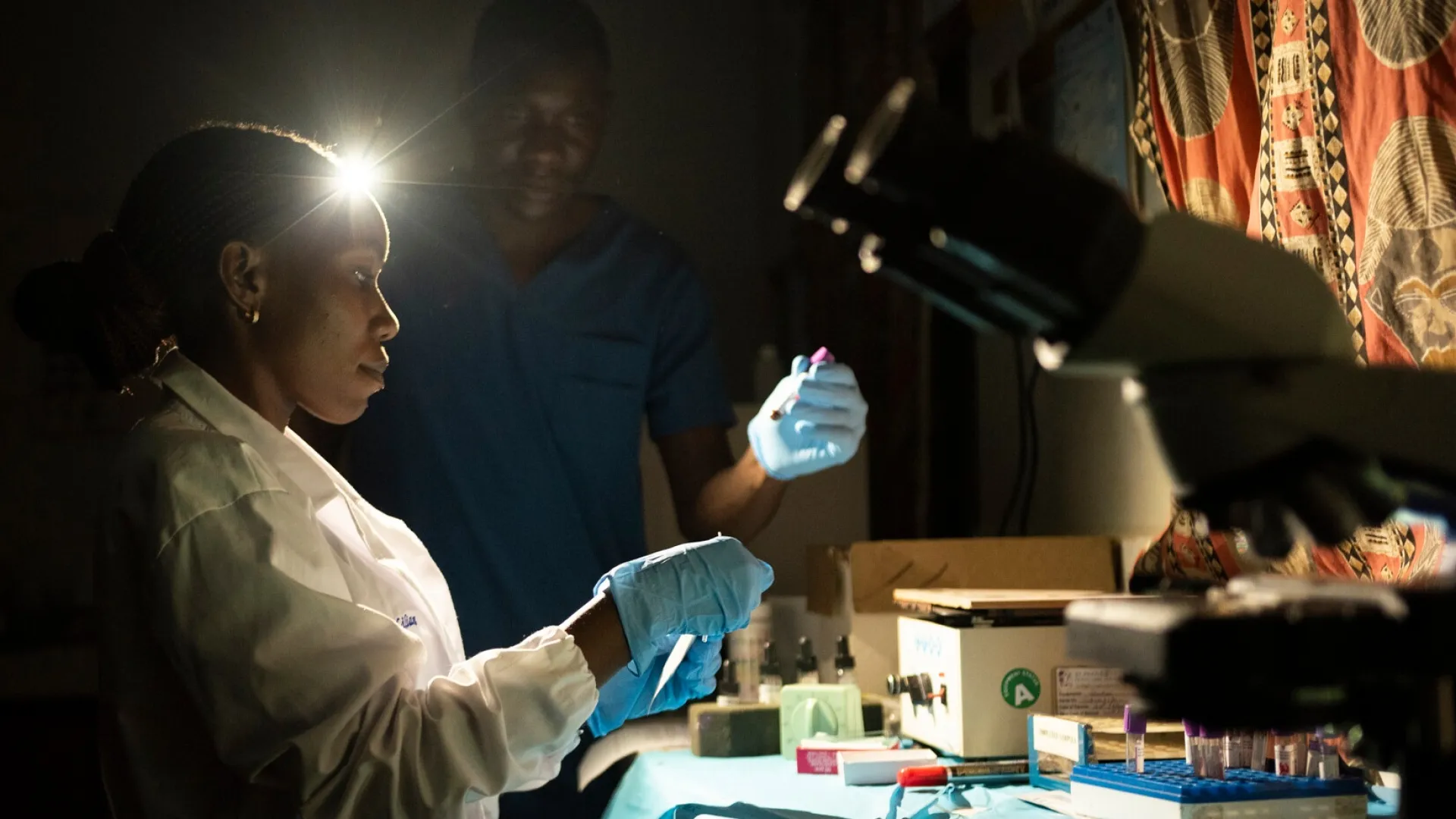
In Kenya, three projects demonstrate different ways of turning energy into positive impact. Solar systems will help strengthen the resilience of essential services at St. Mary’s Mission Hospital and Fatima Mission Hospital, through projects led by Liliane Fonds and AVSI. A project by The Sarara Foundation will use solar energy to support a conservation economy that links milk production by more than 1,250 Samburu women with the care of orphaned elephants and other threatened species, while also creating income opportunities.
In Mozambique, through Fundação Ibo, a hybrid solar system will help ensure the continuity of essential services at Ibo District Hospital, the island’s only hospital, which serves a population of more than 40,000 people. Maternity care, surgery, emergency care and diagnostics are among the services covered.
In Brazil, in the Amazon region, the Puranga Pisasú Municipal Indigenous School and 48 homes in the Nova Esperança Indigenous community will gain permanent access to electricity through solar power. The solution will significantly reduce reliance on diesel while supporting activities including education, connectivity and refrigeration.
To find out more about the projects supported by the A2E Fund, visit the EDP website.
