


PRIME-HUGV Project
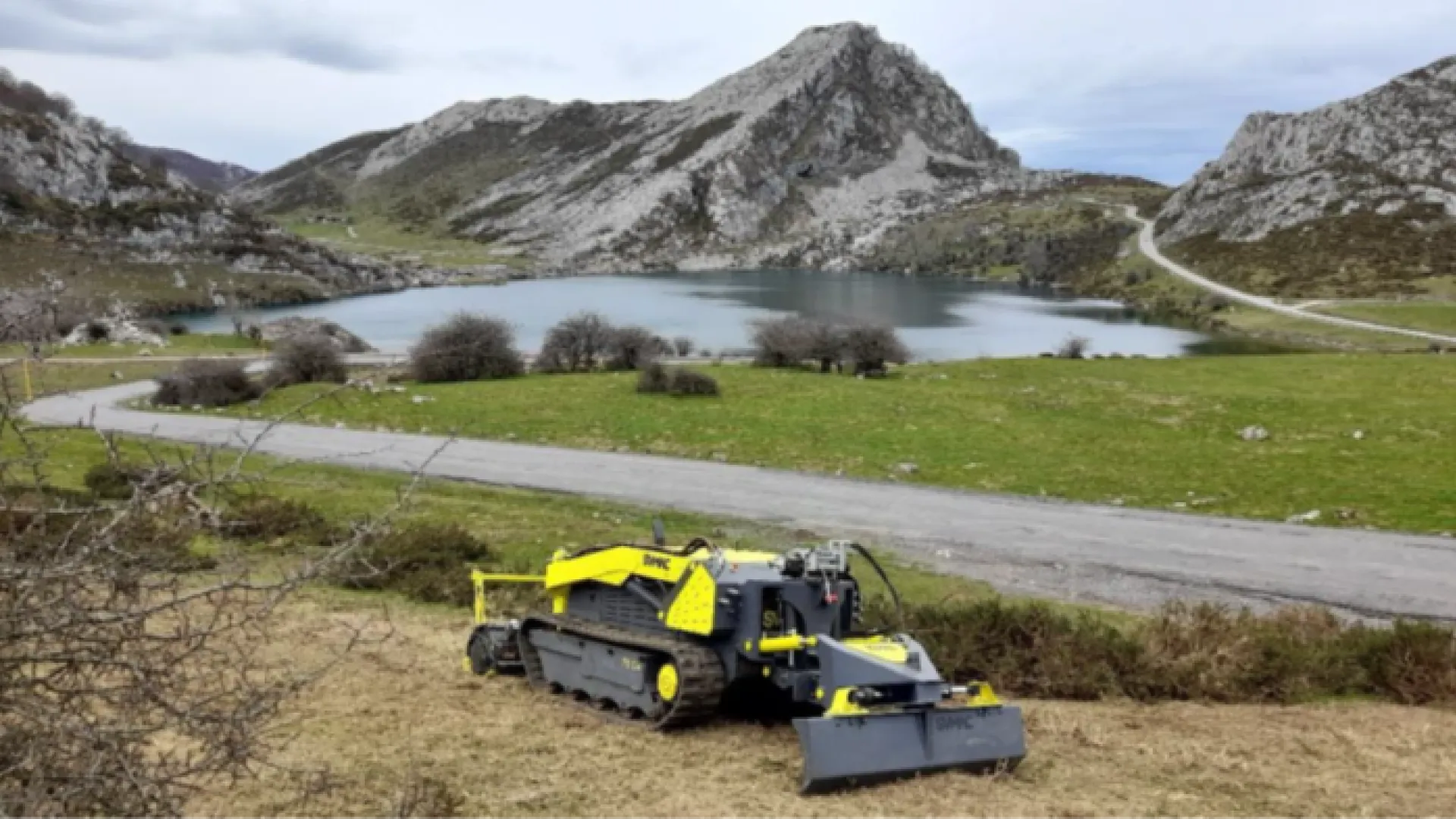
EDP Renewables, SVMAC and Alisys have joined forces to develop an R&D project. The project, PRIME-HUGV, aims to investigate new communication technologies, sensing systems, positioning and control systems, artificial intelligence, and augmented interfaces to enable the remote, real-time, efficient and safe teleoperation of heavy-duty unmanned ground vehicles (H-UGVs), minimising risks to people, equipment and the environment.
The project seeks to provide evidence, identify potential risks and define improvement proposals to enhance usability and increase safety, with particular focus on heavy UGVs. Due to their weight and physical dimensions, these vehicles introduce amplified or new risks to the surrounding environment (living beings, infrastructure, materials) as well as to the vehicle itself.
The project will also benefit from the collaboration of CTIC Technology Centre, which will contribute its expertise in the analysis, design and implementation of components related to the human factor, specifically addressing the role of teleoperation professionals involved in operating H-UGVs.
Photovoltaic plants, as key assets in the energy transition, are typically located on natural land with growing vegetation. To ensure optimal performance and efficiency, vegetation must be carefully managed to prevent shading that could reduce productivity, both on the upper and lower surfaces, as well as avoiding direct contact between vegetation and the panels. Vegetation control is therefore critical in these installations.
One alternative for mowing is the use of unmanned ground vehicles (UGVs), which represent one of the most promising areas for process automation across various sectors. These solutions improve operational efficiency, minimise risks and enable tailored biodiversity management, promoting controlled growth through environmentally friendly techniques.
Within this project, the aim is to facilitate human interaction in the vegetation clearance process by enabling operators to remotely guide the machines and make real-time adjustments based on the specific conditions of the working environment.
Global installed photovoltaic capacity is expected to reach 5,300 GW by 2030, of which approximately 20% will require vegetation management compatible with teleoperated systems. This highlights a significant market opportunity and a growing demand for innovative solutions in the teleoperation of H-UGVs in solar plants and similar environments.
It is worth highlighting the technical capabilities of the companies participating in the project:
EDPR brings not only its extensive international expertise in the renewable energy sector, but also its experience in efficiency and the key factors influencing performance across its existing assets. It is important to underline EDPR’s resources and infrastructure for delivering the project. The company currently operates close to 2 GWp of installed capacity, with plants ranging from a few MWp to 300 MWp, and with a sustained growth outlook through to 2026. The land footprint of these installations is significant, as is the management of biomass clearance, which entails an annual cost directly impacting the economic performance and competitiveness of the assets. A solution derived from this project will enhance the competitiveness of EDPR’s plants by reducing maintenance costs and minimising fire risks.
SVMAC has demonstrated strong technical capabilities at both regional and international levels in the development of autonomous solutions for highly complex environments. Its in-depth expertise in conceptual design and engineering is highly valuable. Furthermore, its extensive experience will help ensure the project’s technical feasibility by overcoming potential barriers and challenges.
Alisys, for its part, contributes its expertise in research on robotic perception techniques, the deployment of complex software architectures—particularly in the fields of artificial intelligence, communications systems, and teleoperation platforms—as well as the integration of robotic systems and UGVs. Alisys has extensive experience testing robotic systems in complex environments across multiple domains, including advanced teleoperation systems.
These capabilities are further strengthened by the research capacity brought through collaboration with CTIC Technology Centre, an organisation recognised for the design and development of human-centric AI solutions. CTIC has a proven track record in nationally and internationally recognised technology projects addressing emerging challenges linked to the development of disruptive technologies, often characterised by high levels of innovation and low maturity, where their real impact on society is still evolving.
Finally, it is worth noting that the project, with a total budget of €553,012.59, is a publicly funded R&D initiative supported by the Government of the Principality of Asturias through the AGENCIA SEKUENS and the Science, Technology and Innovation Plan (PCTI). The project falls under the grant programme aimed at supporting R&D projects in Asturias (RIS3-Company Programme).


