


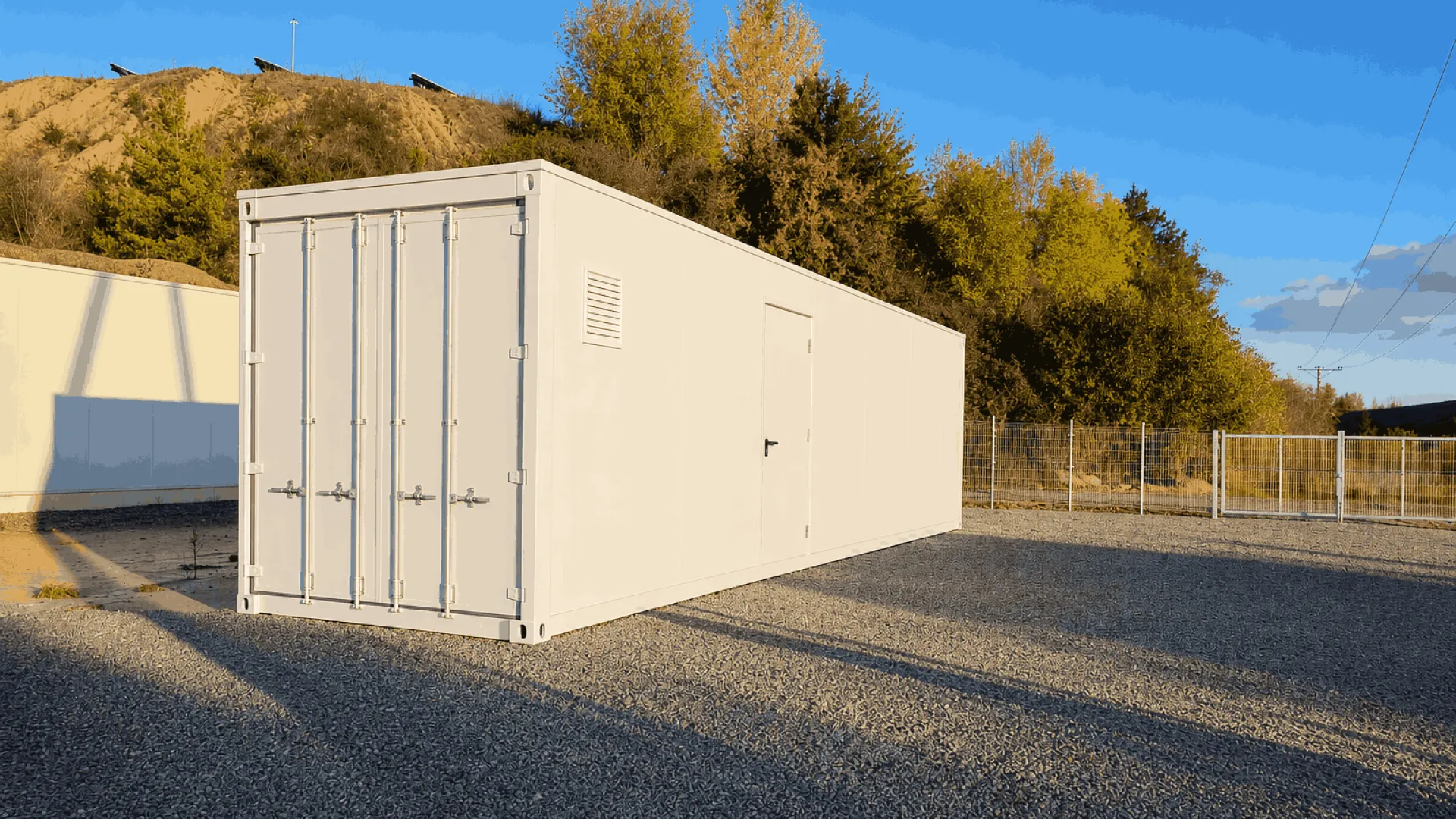
EDP delivers to CLIP a standalone on-site battery storage project in Poland
EDP, a European leader in distributed energy solutions, through EDP Energia Polska, will install a stand-alone on-site battery storage project at the facilities of logistics operator CLIP, in a milestone that highlights the growing demand for flexible energy solutions from commercial and industrial clients.
Under the contract, EDP will install four battery energy storage systems (BESS) with a joint installed capacity of 8 MW and a total storage capacity of 20 MWh across CLIP’s logistic site. The system will provide up to 2.5 hours of flexible energy capacity, supporting more efficient electricity consumption management across CLIP’s operations.
By installing battery storage directly at its sites, CLIP will gain greater flexibility and control over its energy use. The system will allow the company to store electricity when energy is more available and use it when it is most valuable for its operations, helping to reduce exposure to price volatility and improve overall energy efficiency.
This project marks a further step in EDP’s expansion of storage solutions in Poland, following the company’s first distributed generation project paired with batteries in the country and the recent launch of a dedicated storage offering for business clients through EDP Energia Polska. Together, these initiatives reflect EDP’s strategy to scale advanced energy management solutions that help businesses improve efficiency, increase flexibility, and adapt to a more dynamic energy environment.
The partnership with EDP marks an important step in CLIP Group’s strategy to develop sustainable and future-ready logistics infrastructure. The battery energy storage system will increase our energy flexibility, improve operational efficiency, reduce exposure to electricity price volatility, and strengthen the competitiveness of our logistics parks for current and future tenants.
Beyond its scale, the project stands out for its strategic importance within EDP’s growth roadmap. It already represents a significant share of the company’s contracted storage targets for 2030 and confirms EDP’s ability to secure and execute complex projects through competitive public tenders, while meeting stringent local and regulatory requirements.
Across Europe, demand for battery energy storage is accelerating as companies seek greater control over energy costs and the use of on-site renewable generation. SolarPower Europe expects the commercial and industrial battery storage segment to add nearly 6 GWh in 2026 and reach around 68.7 GWh of cumulative capacity by 2030. In Poland, the broader storage market is also set for rapid expansion, with S&P Global projecting BESS capacity to grow from around 0.4 GW at the end of 2025 to more than 8 GW by 2030.
EDP continues to scale its portfolio of energy solutions in Europe, through on-site solar, storage, heat electrification and other technologies to meet the specific needs of each client. This multi-technology capability allows the company to deliver tailored solutions for industrial and commercial customers, supporting both operational efficiency and long-term sustainability goals.
EDP has been active in Poland since 2007 through EDP Renewables, focused on utility-scale projects, and expanded its presence in 2020 with EDP Energia Polska, dedicated to distributed generation for corporate clients. Today, EDP has installed over 1 GW of utility-scale renewable capacity in the country and contracted nearly 270 MWp of distributed solar projects, reinforcing its commitment to supporting Poland’s energy transition through a multi-technology approach.
What is the total capacity and scale of the project?
EDP will install four battery energy storage system (BESS) with a joint installed capacity of 8 MW and with a total storage capacity of 20 MWh.
How much energy can the system store and deliver?
The system will provide up to 2.5 hours of flexible energy capacity.
Where will the battery systems be installed?
The systems will be installed across CLIP’s logistics facilities in Poznan, Poland.
What are the main benefits for CLIP?
By integrating on-site battery storage, CLIP will gain greater control over its energy use, improving operational flexibility, optimising electricity consumption, and reducing exposure to price volatility.
Why is standalone storage relevant for industrial clients?
Standalone storage allows companies to store electricity when it is more available and use it when it is most valuable for their operations, enhancing efficiency and supporting more dynamic energy management.
What experience does EDP have in the Polish market?
EDP has been active in Poland since 2007 through EDP Renewables and has installed over 1 GW of utility-scale renewables and, through EDP Energia Polska, has contracted nearly 270 MWp of distributed solar capacity.
How does this project fit into EDP’s broader strategy?
The project reflects EDP’s strategy to scale advanced energy management solutions in Europe, with storage playing a key role in improving flexibility, efficiency, and resilience for industrial clients.