


Crooked Lake Solar III
Project overview
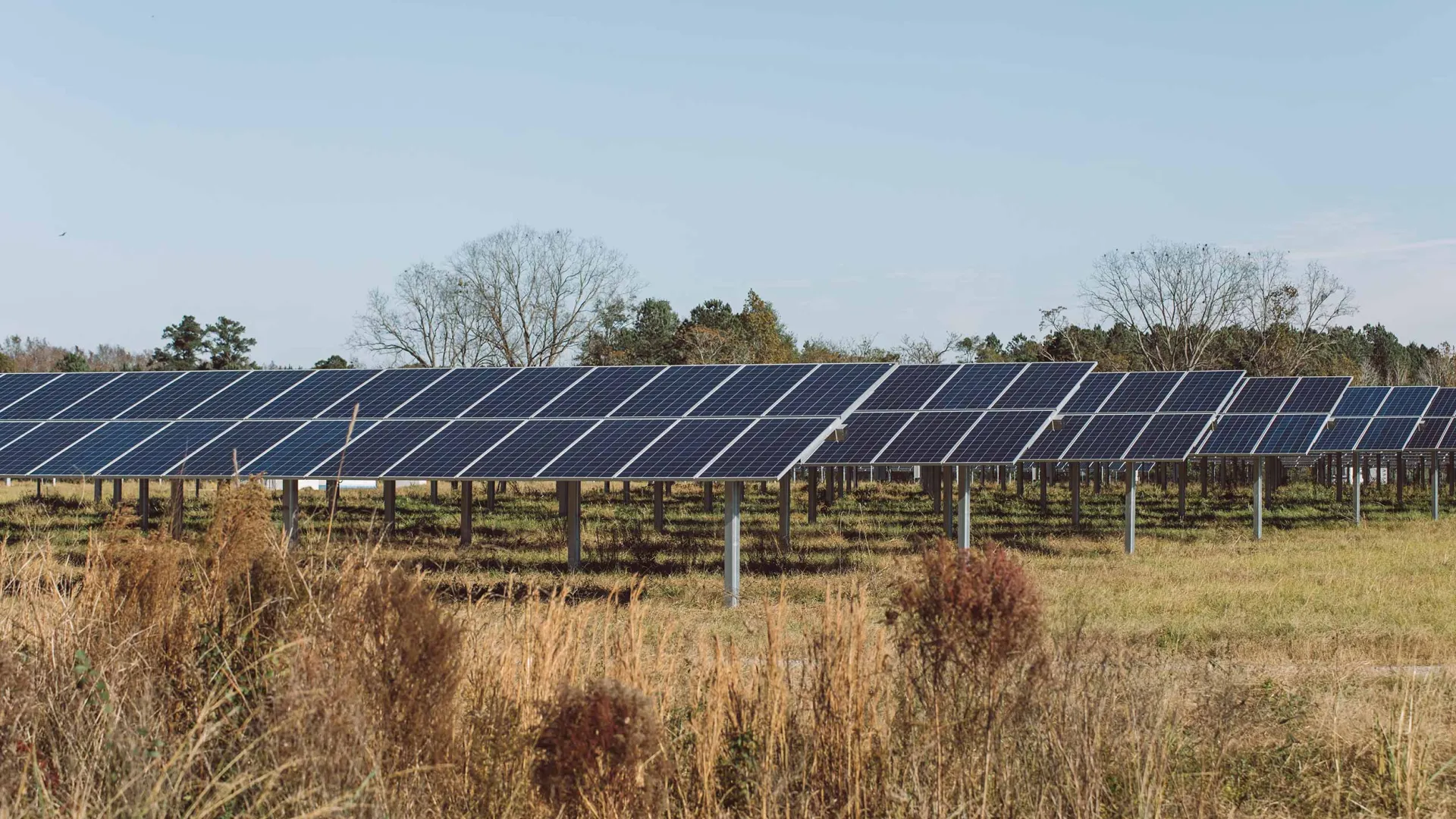
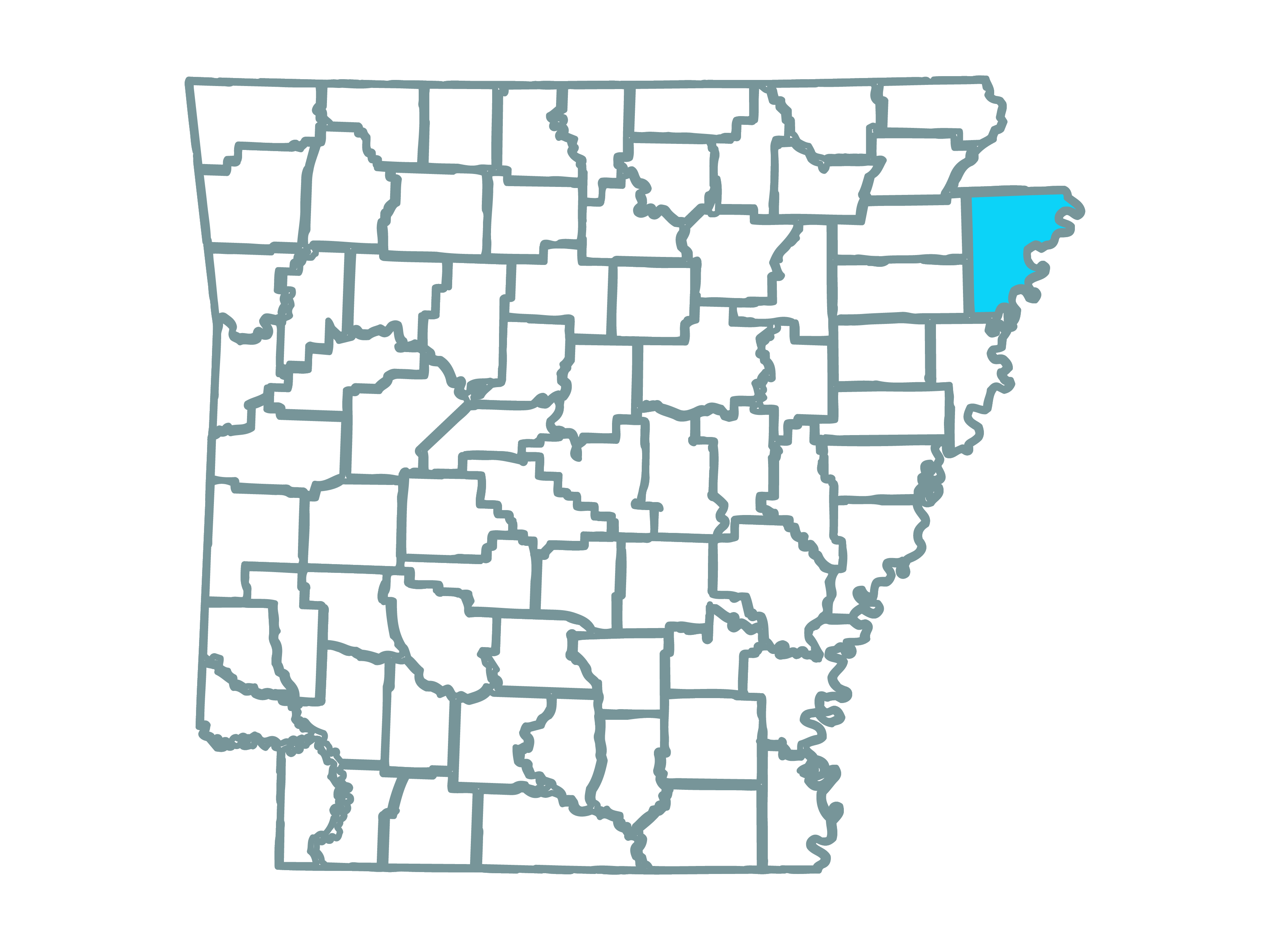
Crooked Lake Solar III would be in the Mississippi Delta Region southeast of the city of Blytheville. Located just west of the Nucor-Yamato Steel Company. The solar site would be built on flat farmland and would be adjacent to the already operational Crooked Lake Solar I.
Economic benefits
Capital investment
Would be paid to local governments
Would be paid to landowners
Would be spent locally
Hundreds of construction jobs and multiple permanent jobs would be created
Committed to being a good neighbor
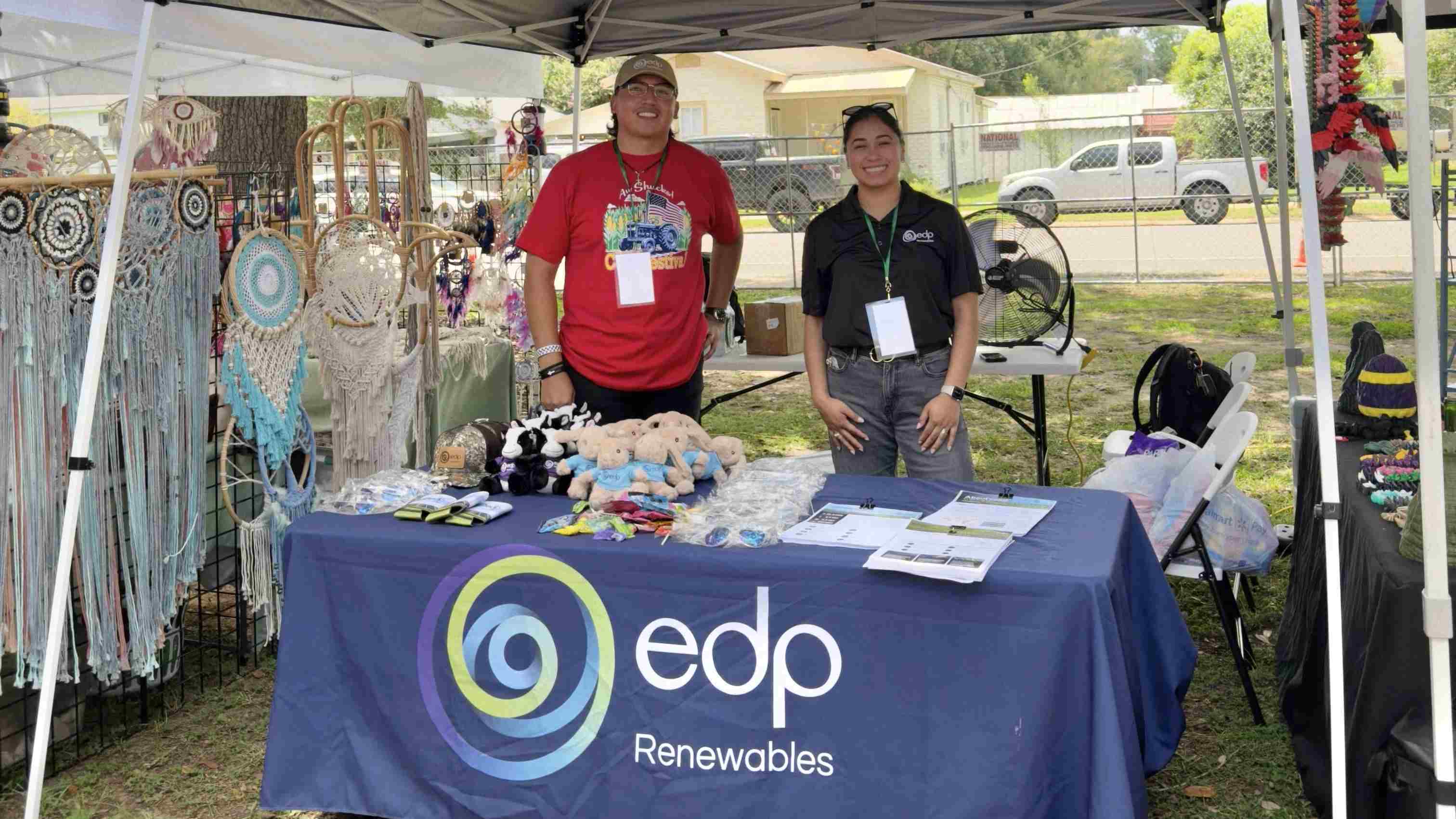
Crooked Lake Solar III will be a long-term partner of Blytheville and the surrounding community for decades to come. Our commitment extends beyond generating renewable energy—we aim to build strong, supportive relationships in the community through thoughtful donations and educational outreach initiatives.
Community impact by the numbers
Blytheville-Gosnel Area Food Pantry
JP Ford and City of Blytheville: Buckles, Bulls, & Barrels Rodeo
City of Blytheville's Cypress Park
Blytheville Fire Department
Arkansas Northeastern College Foundation
Renewable energy technology

Energy security

Solar as a neighbor

Solar panel technology
317 million gallons of water saved each year
Contact us
EDP Renewables North America
Corporate Headquarters
501 McKinney Street, Suite 1300
Houston, TX 77010
913.343.0056
kyle.johnson@edp.com


