


EDP and Corporación Masaveu complete Aboño Power Plant’s conversion to natural gas
The conversion to natural gas of Asturias' main power generation facility is now a reality. After 16 weeks of work, preceded by more than a year of preparation and nearly 400,000 hours of effort, Unit 2 of the Aboño power plant is back in operation and generating electricity. A key asset for supplying energy to large-scale industry in Asturias and to the Spanish electricity system, the project—developed by EDP and Corporación Masaveu—represents a major contribution to the energy transition of the Iberian Peninsula and Europe.
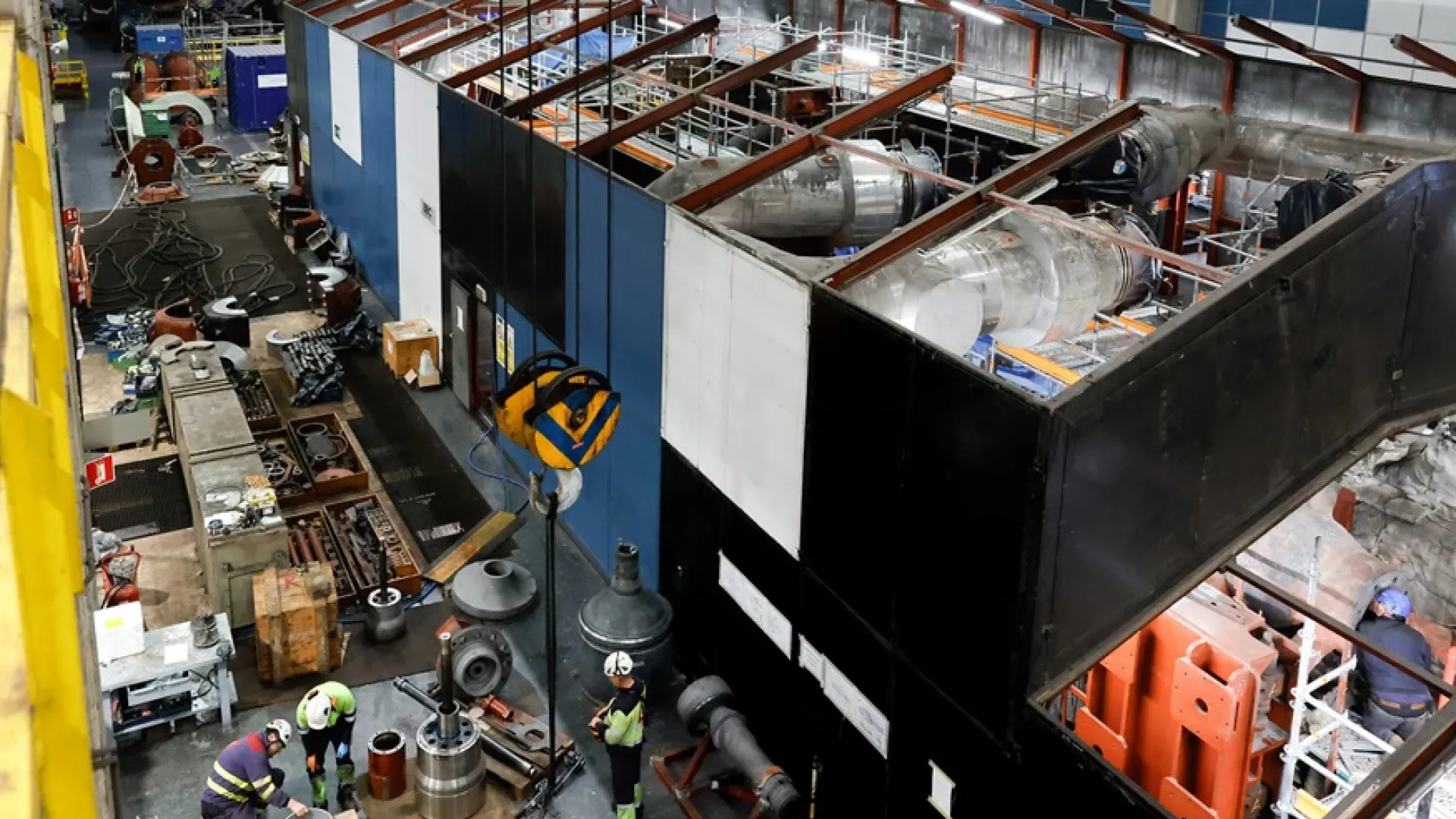
The project had a total duration of 18 months, with on-site work concentrated between the start of the unit’s shutdown on 1 March and its connection to the grid on 25 June. These were intensive weeks, during which—alongside the conversion of the boiler to operate on natural gas and steelmaking gases—a comprehensive turbine overhaul was carried out. This included the inspection and refurbishment of all equipment, systems and infrastructure which, like the thermal unit itself, will now enjoy an extended operational life.
As part of the general overhaul, key milestones included the inspection of the turbine generator set and auxiliary turbines, following 73,000 operating hours since the previous overhaul in 2016; upgrades to the denitrification unit to ensure optimal reduction of nitrogen oxide emissions; and the inspection of the gas holder and the pipelines used to transport steelmaking gases.
Steelmaking gases will continue to be valorised for energy generation, clearly demonstrating EDP and Corporación Masaveu’s commitment to the circular economy—a model that already avoids the emission of one million tonnes of CO₂ each year.
In parallel, specific conversion works were carried out, including a comprehensive renewal of the fuel system. As a result, the facility eliminates the use of coal for power generation, replacing it with natural gas, and is prepared for the potential future integration of renewable hydrogen.
In total, all 30 coal burners have been replaced with new burners designed to operate on natural gas and hydrogen. In addition, the steelmaking gas burners have been adapted to the new boiler configuration. More than 3,000 welds were carried out on the boiler alone, out of a total of 15,000 for the entire conversion project.
The conversion has a major impact on reducing emissions and improving air quality. It cuts particulate emissions by nearly 100%, sulphur oxides by 90%, and nitrogen oxides by 80%. As for CO₂ emissions, the conversion project is expected to achieve an average reduction of 30%.
Following tests conducted between June and July, the unit’s power output exceeds 500 MW, surpassing the project’s initial forecasts.
The project created over 600 jobs across more than 80 companies. These figures represent a significant challenge for the organization, given the technical, safety, and environmental complexities involved in executing a large number of tasks simultaneously while coordinating a substantial workforce. All of this has been reconciled with the operation of group 1 of the power station, which has been available to meet the needs of the Asturian electricity system.
Risk prevention and personnel safety have been a priority from day one, with strong involvement from the teams and all partner companies. Over 800 safety inspections were conducted, which played a decisive role in the project’s success.
In 2025, Aboño Unit 2 celebrates its 40th anniversary. From September 1985 until last March, when the conversion works began, this unit generated 131,625 GWh of electricity—enough to supply all households in Gijón for 250 years or the entire territory of Portugal for almost three years.


